Silk has held a special place in our hearts for centuries. Its soft sheen and graceful flow make it a favorite choice for sarees and ties that effortlessly blend elegance with comfort. Beyond clothing, silk adds a touch of luxury to dresses and home décor, captivating those who cherish beauty that never goes out of style. People love silk not just for its rich texture, but for the timeless charm it brings into everyday life.
However, because silk is so precious, many go for the cheaper, imitation way. For this reason, it becomes crucial to learn how to identify pure silk and artificial silk. You deserve the real thing when you pay for it!
In this blog, we’ve shared easy and practical ways to tell if silk is truly genuine, from simple touch and sight tests to helpful dos and don’ts. Our goal is to help you shop for that silky, special piece with a little more confidence and peace of mind.
Understanding Silk: Natural vs Artificial
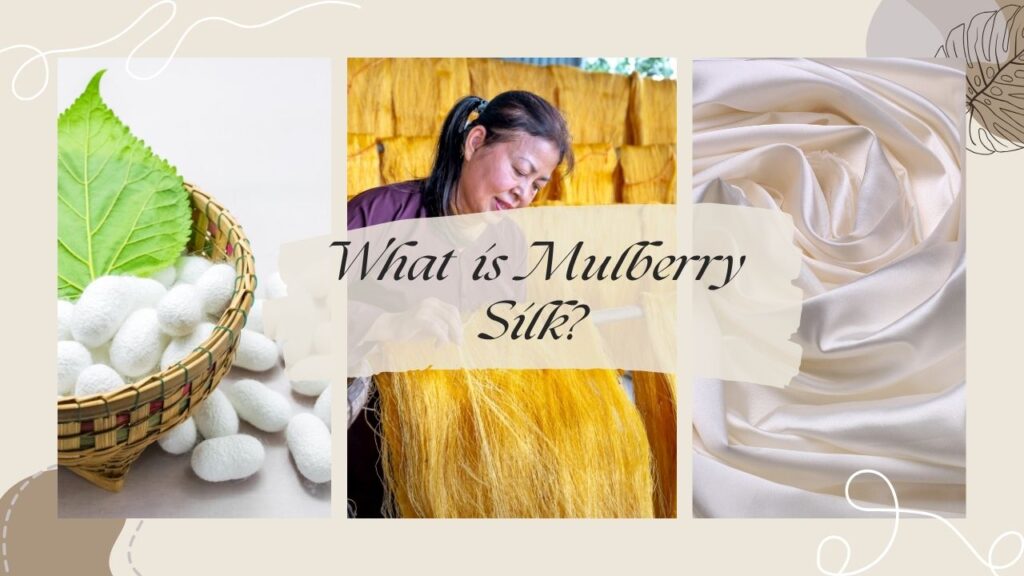
Pure silk is made from fibers created by silkworms. It is a natural material, with a sheen and texture almost impossible to replicate. Artificial silks, or “art silk,” are usually synthetic fibers made from polyester or rayon. From afar, they may almost pass off as silks, but the closer you look, the greater the difference.
Common Types of Artificial Silk
Here are some common types of artificial silk:
- Polyester Silk: Sold as a cheap alternative, it has a gloss finish but does not have that “glow from inside” natural silk has.
- Rayon or Viscose Silk: It is prepared from plant pulp, feels soft, but neither is as durable as silk nor as luxurious.
- Satin/Silky Satin: Satin is a weave, not a fiber. “Satin” fabrics are often made from polyester and are not true silk unless labeled as “silk satin.”

Key Differences: Pure Silk vs Artificial Silk
Let’s analyse their key differences in detail:
| Aspect | Pure Silk | Artificial Silk |
| Fiber Source | Natural protein fiber made from silkworms | Made from artificial materials; mainly petroleum-based polyester, also plant-based like rayon and viscose |
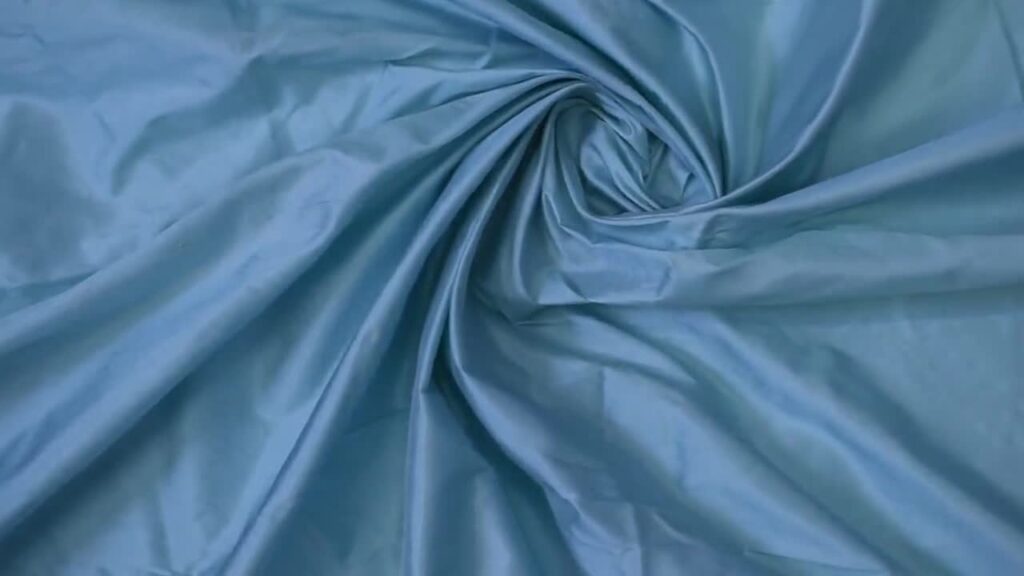
| Shine and Appearance | Slight glisten with color shifts depending on light direction, giving a rich look | Whitish or metallic sheen lacking colorful luster |
| Feel and Texture | Supremely soft, smooth, and warm; adapts quickly to skin temperature | May feel cold, slippery, rough, or flat |
| Weave and Surface | Handwoven with tiny natural irregularities in the fabric | Very uniform and perfect feel without variations |
| Sound | Produces a unique soft rustling sound called “scroop” when scrunched | Usually does not produce the same sound; may sound plasticky |
| Price | Expensive due to natural origin and labor-intensive production | Much cheaper, manufactured on a large scale from synthetic fibers |
| Durability | High quality lasts long and can become heirlooms | Wears out less gracefully |
How to Test Silk at Home (Safely)
Here are some easy do-it-yourself tests you can try if you have a silk sample or saree:
1. Touch Test
Rub the fabric between your fingers. Pure silk feels soft, smooth, almost waxy, and becomes warm quickly with the warmth of your body. The fakes either feel cool or do not change temperatures.

2. Lustre Test
Hold the fabric against the light. Depending on the angle, real silk glistens and diffuses colors. Artificial silk tends to reflect white or silvery colors irrespective of angles.
3. Crunch Test
Crush the fabric in your hand. Real silk makes a soft “crunching” or rustling noise known as “scroop.” Artificial silk is either totally silent or makes plastic-like sounds.
4. Ring Test (for lightweight silk)
Try slipping a little piece of silk through a ring. Real silk, especially light varieties, glides through easily. Fake silk can bunch up or refuse to go through.
5. Burn Test (Only for Small Samples, With Care!)
Cut a tiny piece from a hidden part of the fabric. Hold it with tweezers, away from anything flammable. Carefully light it:
- Pure silk: burns slowly, smells like hair burning, leaves behind ash that can be easily crushed, and stops burning once the flame is removed.
- Artificial silk: burns fast, smells like the smell of burning plastic, may drip, leaves hard black residue that will continue to burn even when the flame is gone.
When in Doubt: Ask for Certification
If unsure, ask the seller for proof. In India, many shops can show you the so-called “Silk Mark” tag, which means that the silk has been certified as genuine. Brands, especially online ones, should have no problem sharing authenticity certificates and answering questions about where their silk is sourced from. Certified silk sellers are usually the ones you can trust and who provide better after-sales services.
Final Thoughts
Fake silk is available widely, but a few simple tests accompanied by questioning will help you to check its authenticity. Pure silk is always worth going through the testing rig for. It will always look, feel, and last better than an imitation. If still in doubt, go for certified shops or brands for an easy conscience.
By following a few simple steps mentioned in this blog, you can easily check the authenticity of the silk fabric. With this blog, we’ve covered everything you need to know about pure vs artificial silk. We hope we could shed some light on the same.
FAQs: How to Identify Pure Silk vs Artificial Silk
1. Is artificial silk always fake?
Artificial silk should not be considered “fake” in the sense of intentionally trying to trick someone unless it is sold as real silk when it is not. It is a different material arranged to resemble silk, usually made from artificial fibers.
2. Can I use a burn test on fabric at home?
You can, but only on a small, hidden sample and with great care. The burn test is one of the most reliable ways to tell silk from synthetics, but it ruins that piece of fabric and can be risky if not done safely.
3. Does pure silk wrinkle easily?
Yes, pure silk wrinkles quickly when scrunched, but it can be ironed carefully at low temperatures.
4. Why does real silk cost more?
Silk is expensive because it’s natural, labor-intensive, and hard to make. Each saree or outfit can take days (or weeks) to produce, resulting in higher quality and price.
5. Can I trust the feel of the fabric to tell the difference?
Often, yes! Pure silk feels uniquely soft, smooth, and “alive.” But high-quality art silk can fake the feel well, so check other signs too.
6. Are there eco-friendly silk alternatives?
Yes! “Peace silk,” bamboo silk, and some organic cottons offer eco and animal-friendly options. But always read the label to make sure you know what you’re buying.